
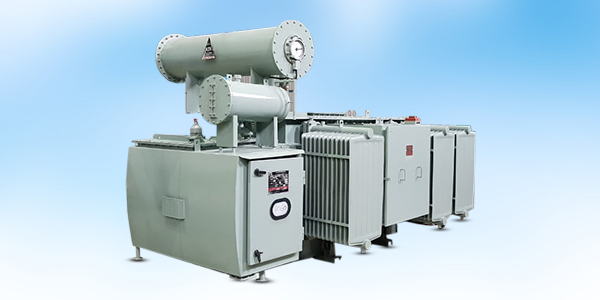
The way we use electricity keeps evolving. From coal in the earlier practices, to geothermal and solar energy, the sources keep expanding. However, the transformer remains common and present in all eras. And it will remain as such till our civilization depends on electricity. A power generation plant produces electricity, located on the outskirts of the city. This electricity is supplied through various channels over the large power lines. Supply only through cables is not feasible, so there are many points where the electricity is stored, regulated and again transmitted further. The distribution transformers manufacturers supply the essential device installed in substations, industrial areas, residential colonies and commercial regions.
Distribution Transformer Explained
A distributor transformer is used to convert high voltage electricity from the grid to a low voltage for consumers. It has a primary winding where input is received, and secondary windings from which output flows, with different numbers of coil turns. The primary coil induces power through magnetic induction. In a distribution transformer, high-voltage low-current input is converted to low-voltage high-current power. As electricity demand continues to grow, distribution transformers remain a critical link between power utilities and end users, enabling safe and efficient delivery of electrical energy across industries and communities.
Components
The main components of a distribution transformer are:
● Windings
● Iron Core
● Transformer Tank
● Transformer Oil
● Cooling Tubes
● Conservator Tank
● Bushings
● Tap Changer
Key Functions
A distribution transformer is a multi-functional device as it is an assembly of a number of components with distinct functions.
Voltage Reduction
Stepping down the voltage from medium to low for the end consumers of electricity. This is ensured by the difference in turns of winding.
Safe Power Delivery
Not only does it change the voltage level, but it also ensures safe and clean power is delivered by isolating the power grid from the consumption end. The surges and spikes in the power grid have minimal effect on the supply.
Reduce Power Losses
The best distribution transformers manufacturers ensure high efficiency of energy being transferred. There are minimal off-load and on-load power losses.
Applications of a Distribution Transformer
There are numerous applications of a distribution transformer.
Some of the common ones are:
● Residential Areas
● Commercial Buildings
● Industrial Facilities
● Infrastructure & Municipalities
● Electric Railway
● Solar Energy Farms
Choosing a Reliable Manufacturer
Utility companies carefully choose the distribution transformer manufacturers.
Here are the main points they consider:
● Range of power capacity, denoted by kVA.
● Core build quality and material for protection
● Percentage of impedance
● Energy efficiency at different loads
● Testings done under the independent labs
● Surface treatments for the durability of components
Summary
A distribution transformer steps down the high or medium voltage to a lower voltage, while maintaining the power constant. It is based on the electromagnetic induction principle, where the primary and secondary windings play the critical role. The choice of distribution transformers manufacturers is essential for the DISCOMs. They partner with reliable suppliers like Trans Power Solution for complete services, maintenance and warranties. Every part of the transformer is tested to the high standards set by the credible agencies.